Mold in air ducts cleaning in Milford, Connecticut
We pull mold out of your ducts, not just the dust around it
If your house smells like a wet basement every time the heat kicks on, you need mold in air ducts cleaning in Milford, Connecticut. We inspect the whole system with a duct camera, seal off the registers, and scrub the mold off sheet metal and flexible duct before it spreads. Homeowners in Woodmont, Devon, and Milford Center call us when allergy flare-ups and musty odors will not quit. Most jobs are done in one visit.
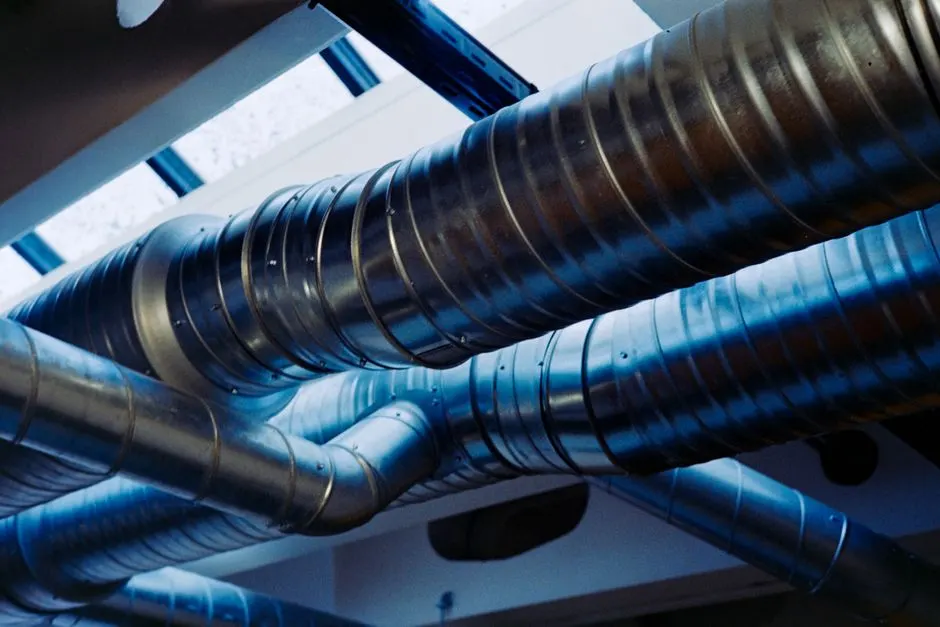
What mold in air ducts cleaning in Milford, Connecticut actually involves
Mold in air ducts cleaning in Milford, Connecticut is the mechanical removal of fungal growth, spores, and the organic debris they feed on from inside your HVAC ductwork. It is not a spray-and-go job. We put the system under negative pressure with a negative air machine, then work each branch line with a rotary brush system and an air whip so the growth lifts off the metal instead of just getting wet. A HEPA vacuum parked at the main trunk pulls everything out of the house. Where the duct board or insulation is saturated, we cut out the damaged section and replace it.
Milford sits right on Long Island Sound, and that coastal humidity is the whole story. Basements in Point Beach and Walnut Beach stay damp from April through October, and any duct run that passes through a cool crawl space collects condensation all summer. Add a clogged dryer vent or a filter nobody changed for two years, and you have the moisture plus the food source mold needs. We see it most in homes built before 1970 with original sheet metal duct and in newer construction where the flexible duct was pinched during install.
Why Milford homeowners book duct mold remediation
Mold in a duct system does not stay in the duct. Every time the blower runs, it pushes spores into bedrooms, kitchens, and basements. Here is what changes once the growth is gone.
Breathing gets easier
Spores cycling through the supply registers are a common trigger for allergy flare-ups and morning congestion. Once we remove the growth and run a sanitizing fogger through the system, the air coming out of your vents is filtered air, not a spore shower. Customers in Morningside and Plains tell us the difference shows up within a day or two.
The musty smell goes away
That damp, sour odor is microbial volatile compounds off-gassing from mold growth. Masking it with air freshener does nothing. When we pull the growth out of the trunk line and branch runs, the smell leaves with it. If your house smells fine until the heat or AC starts, that is the duct system talking.
Less dust on every surface
Mold colonies trap dust, pet dander buildup, and construction dust in the same fibrous mat. Cleaning that mat out of the ducts cuts the dust that settles on furniture and shelves. One Devon customer was wiping down her living room twice a week; after mold removal duct cleaning Milford CT, she was back to once a week.
Your HVAC stops working so hard
Growth and debris on the blower wheel and evaporator coil restrict airflow, which makes the system run longer to hit the same temperature. Cleaning the ducts and the coil together restores that airflow. Lower runtime means lower electric bills and less wear on a system you paid good money for.
How our mold duct cleaning process works
Every job follows the same five steps, and you get a written summary of what we found and what we did. Most homes take three to five hours from setup to cleanup.
Inspection
We start with a duct camera inspection system, feeding the lens down the main trunk and into the branch runs. You see the screen with us. We note where the growth is, whether the duct board is saturated, and whether the problem is isolated to one zone or spread through the whole system. This step takes 30 to 45 minutes and tells us exactly what we are pricing.
Containment
Before anything gets brushed, we seal every supply and return register with plastic and tape, then connect a negative air machine and HEPA vacuum to the main trunk. That keeps spores from drifting into your living space while we work. We also lay drop cloths on the floor and set up a blower door to confirm the system is holding negative pressure.
Mechanical cleaning
We run a rotary brush system and air whip through each branch line, working from the farthest register back toward the trunk. Compressed air nozzles knock loose growth off the corners and seams where a brush cannot reach. Everything the tools free up gets pulled into the HEPA vacuum. This is the step that actually removes mold rather than killing it in place.
Treatment and repair
Once the ducts are clean, we apply an antimicrobial spray to the interior surfaces and fog the system with a sanitizing fogger. If we found saturated duct insulation or a torn section of flexible duct, we replace it and seal the joints with mastic and duct sealant. We also clean the evaporator coil with coil cleaner while we have the plenum open.
Verification
We re-run the duct camera to confirm the surfaces are clean, then pull the containment and restore your registers. You get before-and-after photos and a summary of what we removed. We also check the HEPA filter and tell you the right replacement interval for your system. Total time on site is usually three to five hours.
Duct mold work built on training, not guesswork
Neo Glide has been cleaning duct systems in Milford since 2023, and we built this side of the business around mold specifically because it is the job most companies get wrong. Our technicians hold NADCA Air Systems Cleaning Specialist (ASCS) credentials and follow the NADCA assessment and cleaning standard on every job. We are an EPA Lead-Safe Certified Firm and carry a Connecticut Home Improvement Contractor (HIC) license, which matters in a city full of pre-1978 housing stock. We also run IICRC Certified crews and keep everyone OSHA 10 trained. That combination is what lets us open a duct, identify the growth correctly, and remove it without spreading it through the house.
- NADCA Air Systems Cleaning Specialist (ASCS) certified technicians on every mold job
- NADCA Certified Ventilation Inspector (CVI) for system-wide assessments
- EPA Lead-Safe Certified Firm for pre-1978 Milford homes
- Connecticut Home Improvement Contractor (HIC) licensed and insured
- IICRC Certified and OSHA 10 trained crews
Why Milford calls us for mold in air ducts cleaning
Plenty of companies will vacuum your ducts and call it mold removal. We do the containment, the mechanical scrubbing, and the verification that actually solves the problem.
Containment before cleaning
We seal registers and pull the system under negative pressure before a single brush turns. Without that step, cleaning a moldy duct just aerosolizes spores into your bedrooms. It adds setup time and we do it anyway, on every job, because the alternative is making your indoor air quality worse.
Camera proof, not promises
You watch the duct camera inspection with us before and after. If we say the growth is gone, you have seen the same footage we have. That is also how we tell the difference between surface staining and active mold growth, which changes what the job actually requires.
Local to the shoreline
We work Milford, Woodmont, Devon, and the beach neighborhoods year-round, so we know how coastal humidity drives duct mold here. A company driving in from an hour away will not know that a Walnut Beach basement needs different treatment than a Milford Center colonial. We do.
One visit, written summary
Most moldy air duct cleaning near me Milford CT calls are finished in a single three-to-five-hour visit, including treatment and any duct repair. You leave with before-and-after photos and a plain-language summary of what we found. If a return visit is needed for a second zone, we tell you upfront what it costs.
What our mold in air ducts cleaning includes
Every mold job includes the full containment and cleaning process, not an a la carte menu. A few items, like replacing long runs of duct insulation or cleaning a second HVAC zone, are quoted separately after the inspection because the cost depends on how much material is involved.
What's Included
Full duct camera inspection
We feed a camera through the main trunk and each branch run, record what we find, and review the footage with you before any work begins. This is how we tell active growth from old staining and how we scope the job accurately.
Register sealing and containment
Every supply and return gets sealed, and we connect a negative air machine and HEPA vacuum to the trunk line. This keeps spores out of your living space during cleaning, which is the step most budget companies skip.
Mechanical removal of growth
Rotary brush system, air whip, and compressed air nozzles work the full length of each run, lifting mold and the debris it feeds on off the duct walls. Everything freed up goes straight into the HEPA vacuum.
Antimicrobial treatment and fogging
After cleaning, we apply an antimicrobial spray to interior surfaces and fog the system with a sanitizing fogger. This is a finishing step that knocks down residual spores, not a replacement for physically removing the growth.
Duct repair and resealing
Saturated duct insulation, torn flexible duct, and separated joints get repaired or replaced, then sealed with mastic and duct sealant. Leaving damaged duct in place is how mold comes back within a season.
Before-and-after documentation
You get photos and a written summary of what we removed and what we repaired. If you are a landlord or property manager, that documentation is useful for tenant records and future maintenance planning.
Duct mold problems we solve for Milford homes
Mold in a duct system shows up in a handful of predictable ways. If any of these sound familiar, the ducts are worth inspecting before the problem spreads further.
Musty odors from ducts every time the system runs
The smell is microbial off-gassing, and it means active growth is sitting in the airstream. It gets stronger over time and spreads to closets and upholstery.
We locate the growth with the duct camera, contain the system, and mechanically remove it from the trunk and branch runs. After antimicrobial treatment, the odor source is gone rather than masked.
Allergy flare-ups that spike when the heat or AC starts
Spores and mold fragments cycling through the supply registers land in bedrooms and living spaces all day. Sensitive family members feel it first, usually within minutes of the blower kicking on.
We remove the growth and the organic debris feeding it, then clean the coil and change the HEPA filter. Customers in Morningside and Plains report fewer morning symptoms within a week or two.
Visible dark staining around supply registers
Staining at the register usually means growth is established further back in the run, not just at the grille. Wiping the grille does nothing because the source is upstream.
We run the camera back from the register to the trunk, confirm whether it is active growth or old staining, and clean the full run if needed. You see the before-and-after footage yourself.
Damp basement or crawl space feeding the ductwork
Any duct passing through a humid space collects condensation, and that moisture keeps mold coming back no matter how many times the ducts are cleaned.
We identify the moisture path during inspection, repair or replace saturated duct sections, and give you a target humidity range for the space. Fixing the moisture source is what makes the cleaning last.
When to book mold in air ducts cleaning
You bought a Milford home built before 1970 and the inspection report flagged moisture in the basement.
We run a full duct camera inspection, paying close attention to the trunk line and any run passing through the basement or crawl space. If growth is present, we contain and clean the affected runs and replace any saturated duct board.
You know exactly what condition the duct system is in before you move in, and any mold is removed before your family starts breathing that air.
A summer storm or burst pipe flooded your basement and the ductwork sat wet for a few days.
We treat this as urgent. Containment goes up first, then we extract standing moisture, clean the affected runs, and apply antimicrobial treatment. Saturated flexible duct gets replaced rather than dried in place.
The mold never gets a chance to establish, and you avoid a much larger remediation bill down the road.
Your family has been congested all winter and the house smells musty when the furnace runs.
We inspect the ducts and the evaporator coil together, since mold often starts at the coil and spreads downstream. Cleaning covers both, plus a HEPA filter change and a humidity check in the basement.
The odor source is removed, the airstream is clean, and most families notice easier breathing within a couple of weeks.
You are a landlord with a tenant complaint about a musty smell in one unit of a multi-family building.
We inspect the affected unit and the shared trunk line, clean what is contaminated, and document everything with photos and a written summary. If other units share the run, we check those too.
The complaint gets resolved with documentation you can keep on file, and you know whether the problem is isolated or building-wide.
Tools and methods we use on duct mold
Tools & Equipment
Negative air machine and HEPA vacuum
Pulls the duct system under negative pressure and captures spores and debris at the source so nothing drifts into your living space during cleaning.
Rotary brush system and air whip
Mechanically scrubs mold and the fibrous debris it grows on off sheet metal and flexible duct walls, including corners a vacuum alone cannot reach.
Duct camera inspection system
Lets us see inside the trunk and branch runs before and after cleaning, so you get visual proof rather than a verbal assurance.
Compressed air nozzle
Knocks loose growth and dust from seams, joints, and the plenum where brushes cannot fit, pushing it into the vacuum airstream.
Sanitizing fogger
Applies antimicrobial spray evenly through the duct system after mechanical cleaning to knock down residual surface spores.
Blower door
Confirms the containment is holding negative pressure during the job, which is how we know spores are not escaping into the house.
Methods
NADCA assessment and cleaning standard
We follow the NADCA process for assessing contamination and cleaning duct systems, which is the industry benchmark for mold-related duct work. It is why our technicians hold ASCS and CVI credentials and why the job is documented from inspection through verification.
Source removal over chemical treatment
Antimicrobial products do not remove mold, they only knock down what is left after cleaning. We scrub the growth off the duct surfaces first, then treat, because killing mold in place leaves the allergenic material sitting in your airstream.
Moisture source correction
Mold needs water. We identify where the moisture is coming from, whether that is a damp crawl space, a leaking duct joint, or an oversized AC system short-cycling, and address it so the cleaning actually holds.
Post-cleaning verification
We re-run the camera after cleaning and compare footage. If a run still shows growth or debris, we clean it again before we pack up. Verification is the step that separates a real mold job from a cosmetic one.
How mold in air ducts cleaning runs in Milford
Milford's shoreline location drives most of the duct mold we see. Summer humidity off Long Island Sound keeps basements in Walnut Beach, Laurel Beach, and Point Beach damp well into October, and any duct run passing through those spaces collects condensation. The city's housing stock splits into two groups: pre-1970 homes with original sheet metal duct, which tends to be sturdy but full of seams where growth hides, and newer construction with flexible duct that was often pinched or kinked during installation, restricting airflow and trapping moisture. We handle both the same way, with camera inspection first, then containment and mechanical cleaning. If you are looking for mold removal duct cleaning in Downtown Milford, expect a three-to-five-hour visit for a typical single-family home. We also see a lot of post-construction duct cleaning calls near Milford Center, where renovation dust settles into the returns and holds moisture from the first humid week. Connecticut's older housing stock means lead-safe practices matter too, and we are an EPA Lead-Safe Certified Firm for that reason.
Service Areas
Beachfront humidity keeps basements damp from spring through fall, so duct runs through crawl spaces here need inspection more often than inland homes.
A mix of older cottages and renovated homes, many with original sheet metal duct that has never been cleaned and hides growth in the seams.
Dense housing and ongoing renovations mean construction dust in ducts is common, and that dust holds moisture and feeds mold.
Older homes near the river with basements that stay humid year-round, which is where we find the most saturated duct insulation.
Salt air and coastal fog accelerate corrosion on sheet metal duct, and corroded surfaces give mold an easier place to take hold.
Local Considerations
Coastal humidity from Long Island Sound
Basements and crawl spaces stay damp for most of the year, so any duct passing through them collects condensation and needs antimicrobial treatment after cleaning.
Pre-1970 housing stock with original ductwork
Older sheet metal duct has more seams and joints where growth hides, and lead-safe practices apply during any work that disturbs painted surfaces.
Oversized AC systems short-cycling in summer
Short run times leave the evaporator coil wet and the ducts cool and damp, which is one of the most common mold triggers we find in Milford homes.
Renovation dust from ongoing home updates
Drywall and sawdust settle into return ducts and hold moisture, so post-construction cleaning is worth doing before the first humid month.
Woodmont colonial trunk line cleanup
A 1962 colonial with visible dark growth along the main trunk line where it passed through a damp crawl space. The family had been dealing with a musty smell for two winters and had already replaced the furnace filter four times in a year.
We contained the system, scrubbed the full trunk and six branch runs, and replaced two feet of saturated duct board. Post-cleaning camera footage showed clean metal throughout. The musty smell was gone the same evening.
Maintenance & Follow-up
Keep the crawl space under 50 percent humidity with a dehumidifier, and change the HEPA filter every three months. We recommend a camera check every two years for crawl space runs.
A family in Devon with a child whose asthma flared every winter. Two previous companies had vacuumed the ducts without containment. The evaporator coil was covered in growth, and the return run was full of pet dander and mold debris.
We cleaned the coil and all duct runs with full containment, applied antimicrobial treatment, and fogged the system. The child's flare-ups dropped noticeably within two weeks, and the family stopped running a bedroom air purifier at night.
Maintenance & Follow-up
Change the filter every 60 to 90 days, and have the coil cleaned annually before cooling season. Keep pets out of the return grille area where possible.
A property manager near the green had mold complaints from two tenants after a humid summer. The shared trunk line showed growth near a leaking duct joint, and one unit had saturated insulation around the air handler.
We inspected all six units, cleaned the affected runs, replaced the saturated insulation, and resealed the leaking joint with mastic. Both tenant complaints were resolved, and the building now runs on a yearly maintenance schedule.
Maintenance & Follow-up
Annual duct inspection before summer, plus a humidity check in the mechanical room each spring. Fix any duct joint leaks as soon as they are found.
How much does mold in air ducts cleaning cost in Milford CT?
Typical 2026 pricing in Milford runs $450 to $1,800 for a full residential mold in air ducts cleaning, with most single-family homes landing between $650 and $1,100. The range depends on how many branch runs are affected, whether duct insulation needs replacing, and whether we are also cleaning the coil. A single-zone job in an apartment can come in under $500. We quote after the camera inspection, so you are not guessing.
Is mold in air ducts dangerous in Milford Connecticut?
Active mold growth in a duct system is a real indoor air quality problem, especially in damp shoreline basements where it thrives. It will not poison you, but it does push spores and microbial particles into every room the system serves, and that triggers allergy flare-ups, congestion, and asthma symptoms in sensitive people. The bigger risk is what it signals: moisture getting into the ductwork, which will keep feeding growth until the source is fixed.
Who offers mold removal duct cleaning near me in Milford?
Neo Glide provides mold removal duct cleaning Milford CT-wide, covering Downtown Milford, Devon, Woodmont, Walnut Beach, and the surrounding shoreline neighborhoods. We have worked duct systems here since 2023 and handle both residential and commercial jobs. Call (844) 796-3584 and we will schedule a camera inspection, usually within a few days and often same day for urgent cases.
How do you clean mold from air ducts in Milford CT?
We seal the registers, pull the system under negative pressure with a negative air machine and HEPA vacuum, then scrub each branch line with a rotary brush system and air whip to physically remove the growth. After that we apply an antimicrobial spray, fog the system, and replace any saturated duct insulation. Finally we re-run the duct camera so you can see the clean surfaces. The whole process takes three to five hours for most homes.
Credentials and reviews
Certifications
Reviews
Showed me the camera footage before and after, which no one else did. The growth on our trunk line was obvious once you saw it. They sealed everything off, cleaned it out, and the smell in our basement was gone that night. Worth every dollar.
We had mold in the ducts after a basement flood and they got containment up the same day we called. Replaced a section of wet duct board and fogged the whole system. Professional from start to finish, and they explained each step as they went.
Managed a multi-unit building and needed documentation for tenant records. They inspected all six units, cleaned the affected runs, and gave us photos and a written summary for each. Scheduling around tenants was easy.
Related Services
local Airduct cleaning
Standard duct cleaning is the maintenance step that keeps mold from coming back after remediation. We brush and vacuum the full system, including the trunk line and every branch run, so the ducts stay clear between deeper treatments.
local Airduct cleaningAirduct cleaning near me
If you are searching for duct service close to home, we cover all of Milford and the shoreline. Same crews, same equipment, whether you are in Devon or Point Beach. No subcontractors.
Airduct cleaning near me24/7 Airduct cleaning
When a burst pipe or a flooded basement soaks your ductwork, waiting until morning makes the mold problem worse. We take after-hours calls for water-related duct emergencies and can often get containment in place the same night.
24/7 Airduct cleaningSame Day Airduct cleaning
We hold same-day slots for mold and moisture calls. If you call in the morning, there is a good chance we can inspect and start cleaning before the day is out, which limits how far the growth spreads.
Same Day Airduct cleaningEmergency Airduct cleaning
Sewage backup, storm flooding, or a failed dehumidifier in a crawl space can contaminate ductwork fast. Our emergency response focuses on containment and extraction first, then full cleaning and antimicrobial treatment once the moisture source is handled.
Emergency Airduct cleaningcommercial Airduct cleaning
Restaurants, offices, and retail spaces in Milford Center need documented duct cleaning for health inspections and tenant complaints. We work after hours so your business does not lose a day, and we provide written documentation of the work.
commercial Airduct cleaningresidential Airduct cleaning
Most of our mold work is in single-family homes, from Milford Center colonials to beach cottages in Laurel Beach. We size the equipment to the house, so a small ranch does not pay for a commercial setup.
residential Airduct cleaningprofessional air duct cleaning
Professional means containment, HEPA filtration, and NADCA-standard methods, not a shop vac and a leaf blower. That distinction matters most when there is mold involved, because the wrong method spreads contamination instead of removing it.
professional air duct cleaninghvac duct cleaning
Mold often starts at the evaporator coil and spreads into the ductwork. Cleaning the HVAC system as a whole, coil included, is how you stop the source rather than just treating the symptom downstream.
hvac duct cleaningdryer vent cleaning
A clogged dryer vent dumps moisture and lint into the same utility space where duct mold grows. We clean dryer vents on the same visit as duct work whenever the two are close together, which is common in Milford basements.
dryer vent cleaningcheap air duct cleaning
Budget duct cleaning makes sense for routine maintenance on a system with no mold. If growth is present, cheap usually means no containment and no HEPA vacuum, which leaves spores behind. We will tell you honestly which one your system needs.
cheap air duct cleaningwhole house air duct cleaning
When mold shows up in one register, it is usually in the trunk line too. Whole house cleaning treats every supply and return run in a single visit, which is the only way to be sure you got all of it.
whole house air duct cleaningair duct cleaning for allergies
If your allergies spike when the heat comes on, the duct system is a likely culprit. Removing mold, pet dander buildup, and settled dust from the ducts is one of the highest-impact steps for allergy sufferers in older Milford homes.
air duct cleaning for allergiesdirty air ducts cleaning
Dirty ducts and moldy ducts are not the same problem, but they overlap. We inspect first to see whether you are looking at ordinary dust or active growth, then recommend the right level of cleaning instead of upselling.
dirty air ducts cleaningair duct cleaning improve air quality
Duct cleaning is one part of indoor air quality, alongside filtration and humidity control. In a coastal city like Milford, keeping basement humidity under 50 percent does as much for mold prevention as the cleaning itself.
air duct cleaning improve air qualityair duct sanitizing services
After mechanical cleaning, we fog the system with an antimicrobial spray to knock down any remaining surface spores. Sanitizing is a finishing step, not a substitute for scrubbing the growth off the metal.
air duct sanitizing servicespost construction duct cleaning
Renovations push drywall dust and sawdust into every duct run, and that dust holds moisture. We clean post-construction dust out before you move back in, which prevents a mold problem from starting in the first humid month.
post construction duct cleaningair duct cleaning for pet hair
Pet dander buildup in ducts feeds the same microbial growth mold does. If you have multiple pets, we add a dedicated dander pass with the air whip and change out the HEPA filter before we finish.
air duct cleaning for pet hairapartment air duct cleaning
Apartment systems are usually compact, with one air handler serving a few runs. That makes mold jobs faster and less expensive, often under $500, and we can coordinate with property management for access.
apartment air duct cleaningbasement air duct cleaning
Basement duct runs are where Milford mold problems start, because that is where the humidity is. We pay extra attention to the trunk line and any duct passing through a crawl space or unfinished basement.
basement air duct cleaningeco-friendly air duct cleaning
Our antimicrobial products are low-odor and applied at label dilution, and our containment setup keeps debris out of your living space. If you have sensitivities to cleaning chemicals, tell us and we will walk you through what we use before we start.
eco-friendly air duct cleaningFurnace cleaning
A furnace pulling air through moldy ducts spreads contamination through the heat exchanger and blower compartment. Cleaning the furnace alongside the ducts is often necessary to fully solve a mold problem.
Furnace cleaningindoor air duct cleaning
Interior duct runs, the ones inside your conditioned space, are the ones affecting your air the most. We prioritize those runs and verify them with the camera before we call a job complete.
indoor air duct cleaningair conditioner cleaning
The evaporator coil is wet for months during Milford summers, which makes it a prime mold surface. Coil cleaning with coil cleaner is part of most of our mold remediation jobs for that reason.
air conditioner cleaningair duct inspection
Every mold job starts with an inspection. If you just want to know whether you have a problem, we will run the duct camera, show you the footage, and give you a straight answer with no obligation to book cleaning.
air duct inspectionBook mold in air ducts cleaning in Milford, Connecticut
Every job starts with a duct camera inspection, and you see the footage before you decide anything. NADCA-certified crews, HEPA containment, and a written summary when we finish. Call (844) 796-3584 and we will get you on the schedule, often the same day.